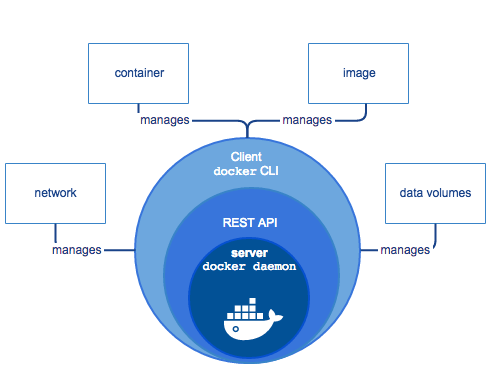
A container is a lightweight way to run an application so it behaves the same across different machines. The easiest way I explain it: instead of saying “it works on my laptop,” a container bundles the app plus everything it needs (dependencies and configs), and runs it as an isolated process. Unlike a full virtual machine that includes an entire operating system, containers share the host machine’s kernel, so they’re usually faster to start and more efficient.
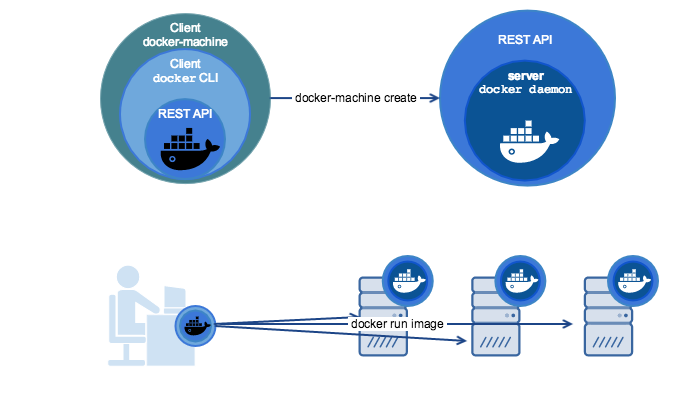
Why do people really care about containers (Docker)? Because containers make projects easier to ship and harder to break. If I’m building a small analytics stack, such as a Python app, database, and dashboard, I can run each component in its own container and keep the setup consistent across development and deployment. It also helps in teams: everyone runs the same container image, so there’s less time wasted debugging issues. Docker is a popular platform for building, sharing, and running containerized apps.
Sources:
https://docs.docker.com/get-started/docker-concepts/the-basics/what-is-a-container/
https://docs.docker.com/get-started/docker-overview/
https://www.docker.com/resources/what-container/
Featured Image Source: https://www.google.com/url?sa=t&source=web&rct=j&url=https%3A%2F%2Fdevopscube.com%2Fwhat-is-docker%2F&ved=0CBsQ3YkBahcKEwiQ8bvN_aeSAxUAAAAAHQAAAAAQWQ&opi=89978449



No responses yet